

The Role of Facades in Modern Architecture
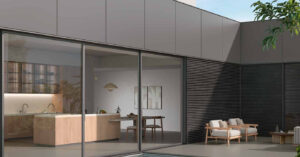
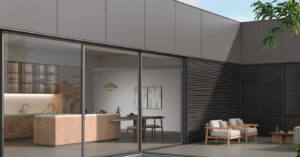
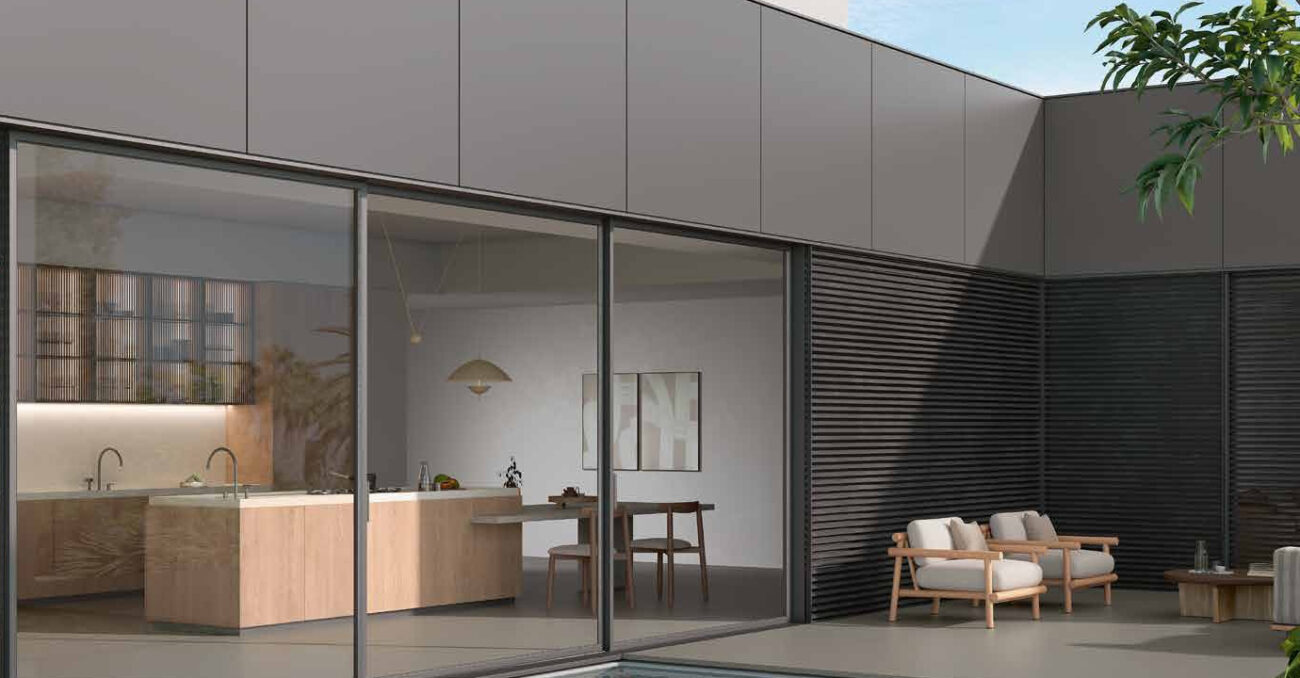
A facade has to do more than look composed in photographs. It deals with heat, rain, wind, and dust while still holding a crisp line and an intentional tone. In dense cities, the envelope also carries responsibility for cleaning cycles, access logistics, and repairs—none of which make the project shots on opening day. Architects lean on materials that can anchor identity and survive routine abuse: UV in open courtyards, monsoon-driven moisture, mild chemicals from maintenance teams, and the occasional impact where people move close to the skin of the building. When the surface is stable—dimensionally, chromatically, and in texture—the whole composition reads as intended, whether the elevation is minimal or richly patterned.
Why Neotra Surfaces Are Ideal for Modern Building Facades
-
Weather and UV Resistance
Sun is unforgiving on exteriors. Neotra is built to shrug off direct, long exposure without yellowing or a dull cast, which keeps elevations legible and true to the palette architects specified. Freeze–thaw cycles, humidity, and heat spikes don’t push it into hairline cracks or surface chalking. That reliability is why it’s a safe bet for modern building facades in varied climates.
-
Large-Format Slab Applications
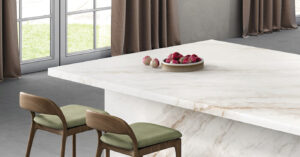
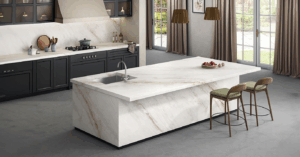
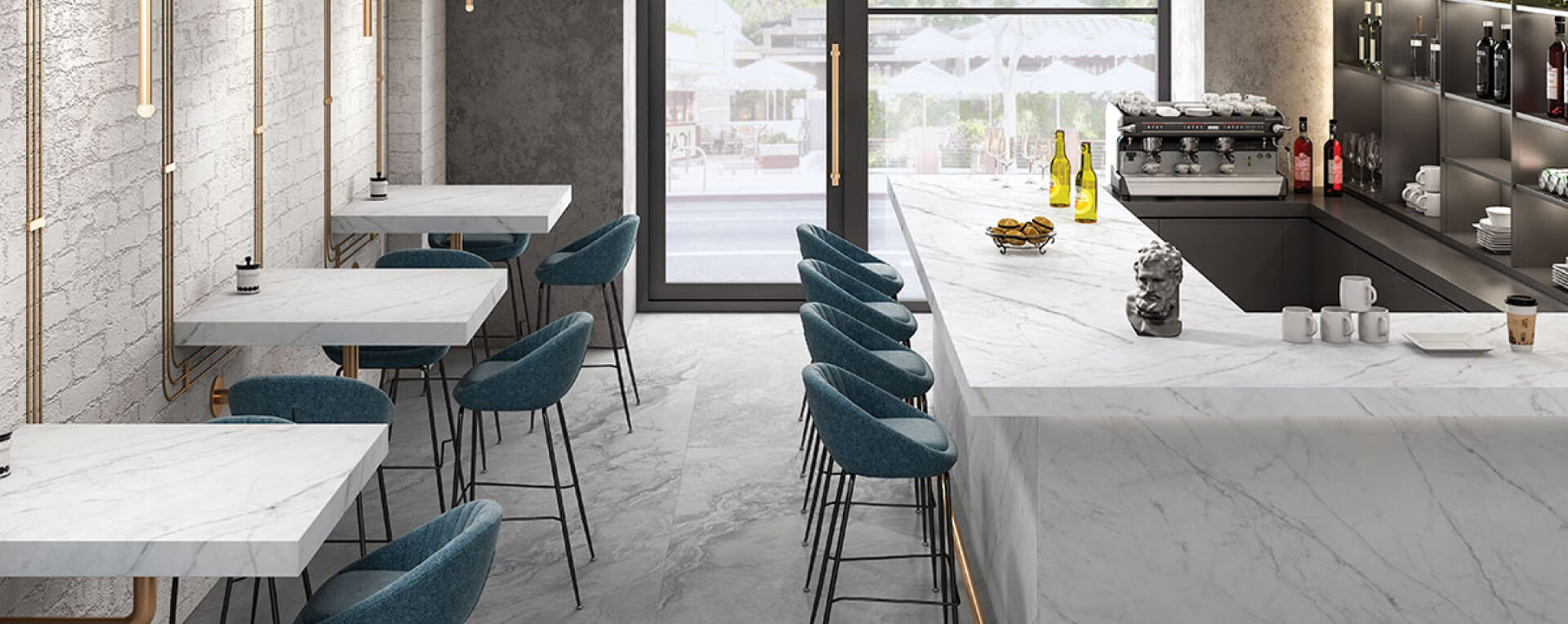
Monolithic reads come from scale, not just color. The Inmensa Collection offers broad slab formats that reduce joints and visual noise. Fewer breaks mean cleaner seam planning and elevations that feel calm even at urban scale. The result: bold planes that hold together across podiums and towers.
-
Aesthetic Versatility Across Styles
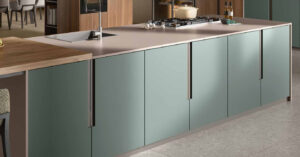
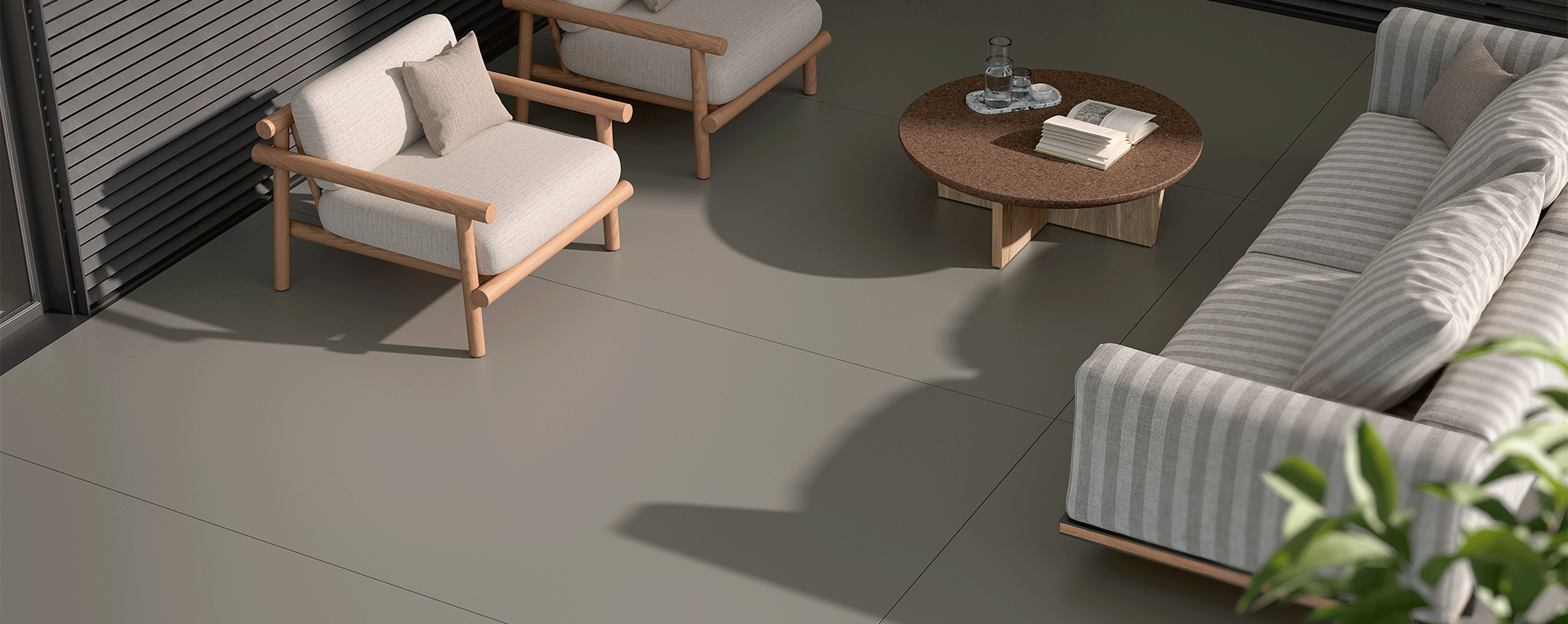
Style range matters when one brand serves multiple project types. SPA brings warm, grounded tones that sit well in hospitality and resort work. Pastelli offers quiet, minimal neutrals for campuses and corporate fronts. Inmensa handles the “statement” role with refined stone looks. Across residential, commercial, and institutional work, the palette adapts without swapping out the underlying performance.
-
Fire & Moisture Resistance
Exterior cladding lives with heat and moisture in daily cycles. Neotra doesn’t warp or swell with either, so fixings stay true and joints stay consistent. That stability builds confidence into the system—fewer callbacks, fewer adjustments, longer stretches where the facade is simply doing its job.
-
Sustainable & Low Maintenance
Sustainability shows up in the long view: fewer interventions, less water and detergent, no sealing days that shut down an entry. Neotra surfaces don’t need polish, paint, or sealers. Over the life of a building, that reduces resources and labor. It also removes a layer of risk from maintenance plans.
Applications in Real-World Projects
-
High-Rise Residential Towers
Vertical repetition exposes any weakness. With large slabs, Neotra keeps the reading simple—continuous bands, restrained joints, and consistent color at height. UV stability holds the tone on sunlit corners; abrasion and impact resistance help at podium levels where trolleys, bikes, and daily traffic come close to the facade. Cleaning crews can work with standard agents without fear of clouding or etched patches, which keeps the tower looking composed between service cycles.
-
Boutique Hotels & Resorts
Great hospitality design balances invitation with durability. SPA’s earthy palette sets a warm mood at entries and poolside elevations while standing up to chlorinated splash, sunscreen residue, and salt-laden air. Inmensa’s marble looks handle the “luxury” signal on porte-cochère soffits and upper-level facades. Day to day, housekeeping and engineering teams appreciate surfaces that don’t demand special cleaners or sealing schedules. Guests only notice one thing—the property still looks fresh.
-
Cultural, Educational & Public Buildings
Institutional buildings get touched, leaned on, and cleaned constantly. Pastelli’s soft neutrals and Inmensa’s dignified stone tones read civic without feeling cold. The surface resists scuffs from bags and routine abrasion near entries. Chemical resistance means caretakers can use common detergents to manage grime, handprints, and city dust without chasing unintended finish changes. Years in, the building still communicates the same identity the design team sketched on day one.
Choosing the Right Neotra Collection for Your Facade
- Inmensa: Choose this when the brief calls for monolithic elevations, long spans, and refined stone aesthetics that carry from podium to tower without visual fatigue. It’s the “statement” tool—clean seams, big moves, and a finish that reads premium from a distance and up close.
- SPA: Use SPA in natural contexts and hospitality—resorts, wellness buildings, retreats—where the facade should feel grounded, calm, and welcoming. Earthy tones play well with landscape, water, and wood while keeping the maintenance profile light.
- Pastelli: Ideal for minimal architecture and campuses that rely on quiet order. The restrained neutrals let fenestration and proportion lead, while the surface quietly does the hard work of staying consistent in color and texture through weather and cleaning.