
What Are Exterior Cladding Materials?
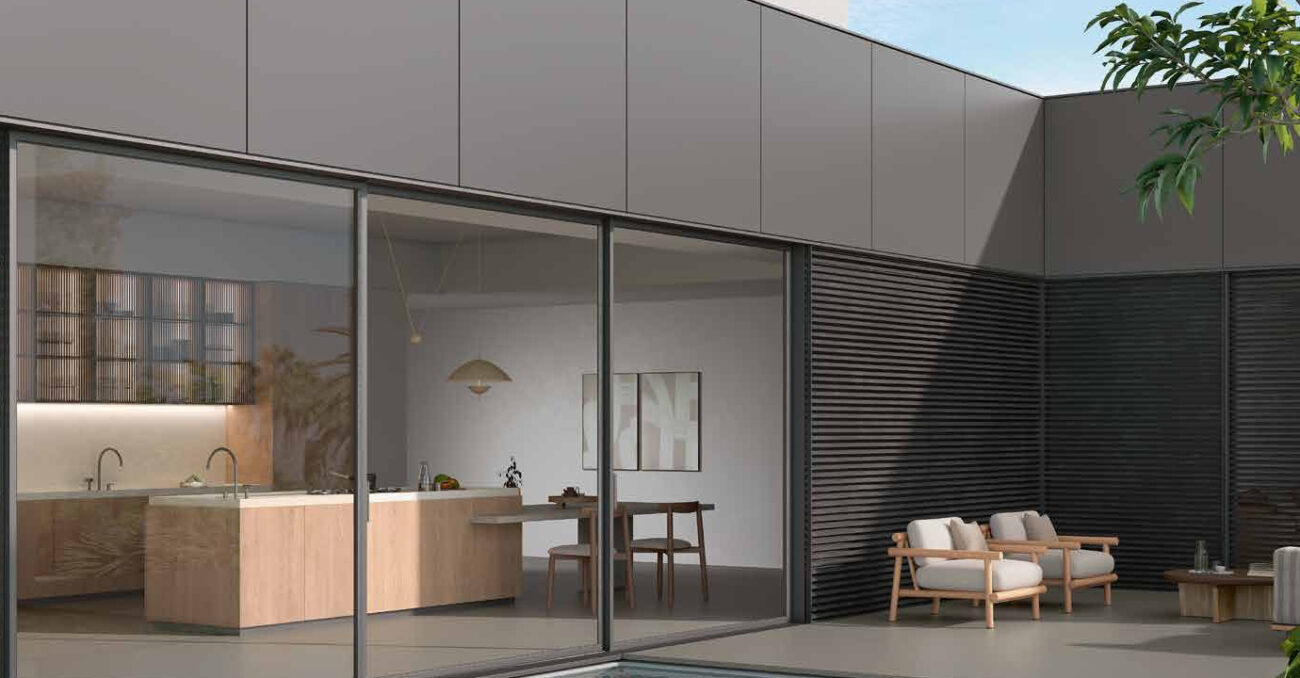
Exterior cladding refers to the outermost layer of the space that protects it from the environmental conditions, such as wind, sunlight, and rain. The exterior cladding serves as both a decorative and protective surface, enhancing the building’s appearance and extending its lifespan. The exterior cladding materials are the materials that are used in the cladding. It includes natural stones, wood, metals, laminates, and more.
Importance of Exterior Facades and Cladding
Let’s find out how facades and cladding contribute to a building-
- Durability– It protects the surface from UV exposure, corrosion, and weathering conditions.
- Low maintenance– Modern materials, such as engineered surfaces, are easy to maintain.
- Thermal durability– Enhances thermal insulation and curb appeal, which helps in weather resistance and sustainability.
- Aesthetic appeal– Exterior cladding defines the architectural style.
Our surfaces emphasise the balance between design, durability, and sustainability, ensuring that the facade lasts for the future.
Types of Exterior Cladding Materials
There are various cladding materials for several needs. Here are the widely used materials-
-
Stone Cladding
Offers timeless elegance with the touch of nature. Stones such as granite, limestone, and slate are widely used across India for stone cladding. They are highly durable, visually rich, and weather-resistant. Perfect for luxury homes, facades, and villas. Pair natural stone with minimal windows for rustic appeal.
-
Wood Finish and Wood Plastic Composite (WPC) Panels
Bring warmth and organic charm with wood. Wood-Plastic Composites offer a similar look but have higher durability. Explore our collection with wood finish surfaces with a liquid-repelling surface for longevity, perfect for natural aesthetic homes and resorts.
-
Metal Cladding (Aluminium Composite Panels – ACP)
Metal facades are gaining popularity as they offer a clean and industrial finish. Metal cladding has a longer lifespan, is recyclable, and has a lightweight and modern appeal, but absorbs heat in tropical climates. Best for high-rise apartments, towers, and villas.
-
PVC and uPVC Cladding
PVC is a cost-effective option and popular for its lightweight and durable properties. PVC and uPVC are water-resistant, easy to install, and termite-proof, but are less impact-resistant than stone or metal. Ideal for balconies and facades.
-
Ceramic and Porcelain Cladding Panels
Ceramic and porcelain tiles provide a durable and sleek finish that mimics stone, wood or marble. They are low-maintenance and long-lasting but require professional installation. Ideal for accent walls and facades. Our surfaces are sintered surfaces that are resistant to UV and fading colours.
-
Fibre Cement Cladding
Durable and lightweight materials that mimic natural textures such as timber and stone. But, a need for painting and sealant for weather protection. Perfect for residential and industrial use.
-
Brick and Brick Slips Cladding
A classic approach that blends traditional charm with elegance, providing timeless appeal and a strong structure, but it can be heavier and is labor-intensive. Best for heritage homes and educational buildings. Combine brik with metal frames for contrast.
-
Glass and GRP Cladding
Glass facades are ideal for modern offices and high-rise buildings that maximise daylight and reflective quality. Glass requires frequent cleaning and may lead to heat gain; for better thermal performance, consider using a double-glazed unit.
-
Terracotta Cladding
Offers earthy tones and cooling properties, which are perfect for India’s climate. The material is breathable, eco-friendly, and low-maintenance, but terracotta has limited colour options. Ideal for dry, tropical, or warm regions. Combine terracotta cladding with steel or glass for a modern design.
-
Concrete Panel Cladding
Concrete panels deliver strength and a minimal aesthetic, durable, thermally-stable, and fire-resistant, offering charm suitable for both urban and luxury. Use Neotra surfaces with fine grains to enhance the visual depth while also maintaining geometry.
How to Choose the Right Exterior Cladding Material
Selecting the right exterior cladding material is important as it impacts longevity and performance. Here’s a guide on how to choose the right material-
- Consider the climate– In coastal and humid regions, PVC and cement boards perform well. In hot areas, terracotta works effectively due to its reflective properties and thermal stability. Neotra surfaces are engineered surfaces with resistant to fading, UV stable, making them suitable for use in varied regions and climates.
- Match the material with the building type– Residential spaces require warmth of natural finishes such as wood, for commercial spaces, metal or glass cladding offers modern appeal, but for public buildings, use concrete panels for durability. Neotra offers surfaces from soft natural tones to wood finishes, ensuring the material complements your architectural space.
- Maintenance requirements– If you prefer low-maintenance facades, opt for PVC or ceramic cladding; premium materials such as stone or wood offer elegance but require occasional maintenance. Neotra surfaces minimise the upkeep with our engineered surface, ensuring they stay damage-resistant and vibrant even in harsh environments.
- Based on budget and longevity– The higher investment leads to reduced maintenance and longer lifespan. Metal panels offer a price and performance ratio, while concrete and stone cladding cost more but deliver weather resistance and durability. Neotra offers premium surfaces curated for long-term value.
Applications of Exterior Facade in Indian Architecture
Facade and cladding are not just about aesthetics, but functionality and the identity it creates. Here is a comparison of cladding and facade materials-
| Material | Durability | Maintenance | Aesthetic Appeal | Best for |
| Natural stone | Extreme Durable | Low | Luxury | Heritage buildings and villas |
| Metal | High Durable | Medium | Sleek and modern | Airports, malls, offices |
| Brick | High Durable | Low | Rustic and earthy | Residential |
| Glass | Medium | Medium | Futuristic | Skyscrappers |
| Wood | High Durable | High | Warm and natural | Resorts and residencies |
| Concrete | Extreme Durable | Low | Industrial | Industrial areas |
| Neotra | Extreme Durable | Very Low | Versatile and modern | Modern, luxurious and sustainable projects |
Maintenance Tips for Exterior Facade
Exterior facade and cladding faces constant exposure to UV rays and rain; hence, proper care ensures it stays beautiful as on the first day. Neotra surfaces feature Scudo Tech, Senso, and Forte technology, which is antibacterial, viral, fungal, and algae-resistant, boasting a soft surface finish that is both resilient to scratches and stains. Here are a few steps to maintain table top surfaces-
- Wipe the surface with a soft cloth or a microfiber towel.
- Use a neutral pH cleaner or mild soap.
- Our surfaces are stain-resistant, but clean the wipes immediately to keep the shine
- Use a non-abrasive cleaner.
- Our slabs are non-porous and scratch-resistant, resisting water damage and humidity, unlike natural wood.
- Neotra surfaces remain functional and elegant for years with minimal effort.
Conclusion
The facade and exterior cladding blend art and technology. Whether you prefer the earthy charm or refined sophistication of stone, the exterior cladding material defines a building’s identity and longevity. With our surfaces, we achieve the balance between sustainability, durability, and aesthetic appeal, ensuring your space stands out for years to come.